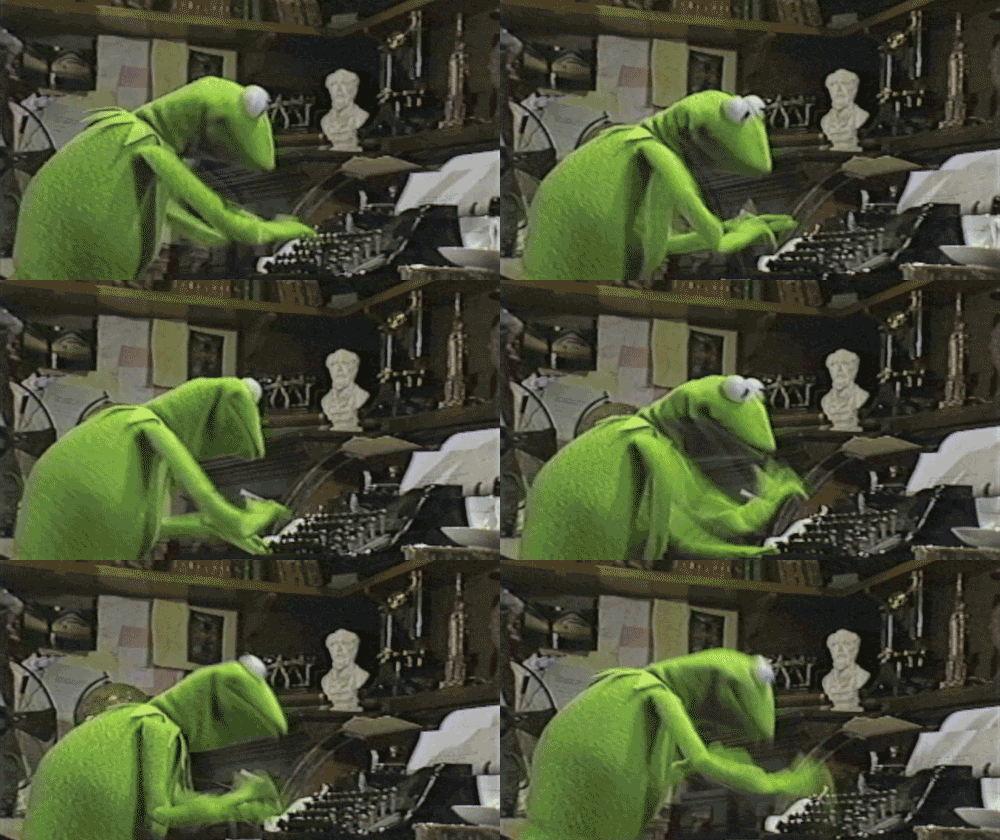

Went for a long walk today. This year April in the Northwest is warmer than normal. The tulips lining the yards of my neighbors have already risen, bloomed and most are now just stalks of green. Apple and cherry blossoms line the street to the trail head.
Digging into the trail I heard the stream dance along the river rock, chime down a salmon ladder. Stretching my legs up a short hill I found a small field of shaggy grass, heavy-wet from morning dew, promising a slip if I step without respect.
It was a good day to be a seagull, or a kite. A nice wind for flying. I see the white on grey bird coasting with no owner, no string.
Reaching Fairhaven I see them–all sorts of people. Tourist, bike riders, locals, musicians, people in cars, trucks, on motorcycles…PEOPLE! More importantly, characters.
When I walk, I write stories. As an avid people-watcher I dream up all sort of lives for the strangers I see. Folks that walk by offering a snippet of conversation is a tantalizing treat for my imagination. My favorite pairing is to place an unlikely drama with a “normal” or plain looking citizen. For example, the 57 year old woman walking her tiny dog use to be an assassin, not just any kind of course, her niche was scientists. Scientists who were on the cusp of a discovery that might hurt the profits of a corporation, a government or perhaps another competing scientist now her paid targets. Today, she has changed her identity, put on 40 lbs and lives a simple life in an ocean side town. Then, she falls for a WWU science professor. You know, something like that…
The whole experience of story weaving reminded me of a car trip. I was a 20 year old intern at the time earning my vocational degree in Television Broadcasting. My boss loaned me out to another freelancer who was doing a story on search and rescue dogs that work at Crystal Mountain Ski Resort off Interstate 90, just about an hour east of Seattle. Our car had three people in it; two of the people were complete strangers. I saw it as an opportunity to talk shop.

The cameraman / producer had a great answer to one of my questions. I asked, what’s the best way to improve field production skills? He shared that he constantly thinks of a place as a scene. He wonders the best place for a tripod, lighting, angles, he considers what and how much footage will be needed to edit the segment, B roll, etc. Everywhere he goes he travels with a story weaver, not the software, but an internal writer that’s always “ON”. He started out just doing it as a lighting exercise, and then the habit grew into a story telling technique. The camera is the eye of the viewer. Telling the story effectively, moving the characters within the space, across a room, down a street, from one scene to another are essential to most media, TV, film, stage, AND within a book.
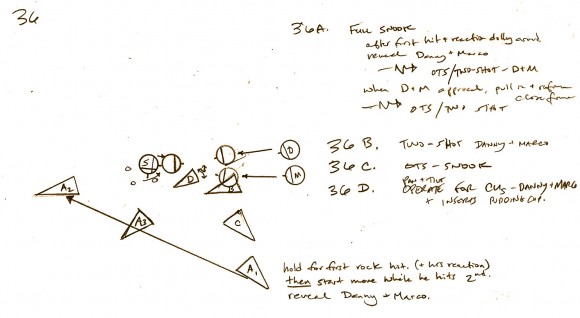
The book as an entertainment “space” has a challenge. How does the writer make those pages come alive, create a picture in the mind of the reader, or better yet, give enough information to allow the reader to create their own version of the world? This is my greatest challenge. -SPL
#
 shannon p. laws
SUSANISSIMA your teaching mantle is glowing!
LikeLike
Great post! I find that keeping journals and taking photos wherever I wander in our sweet city, up north in Interior Alaska, in Taiwan or wherever is a powerful strategy for story-generating. They remain after you leave, they’re a tangible record of place, and people and plot. Open a page or scroll through your photos and you’re there, remembering in graphic detail those moments, conversations, odd and interesting bits that keep a story going. I also love how you make up stories as you walk and talk with people. Are you recording them somehow? Btw, the same techniques work beautifully for generating powerful poems…but you probably already know that, eh?
LikeLiked by 1 person